By Bobby Falat
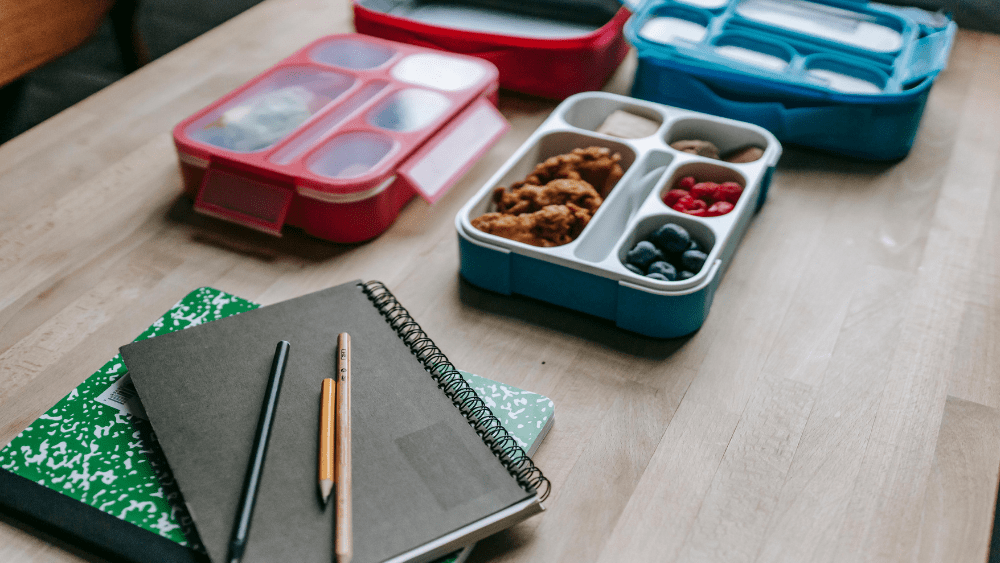
BISMARCK, N.D. (Valley News Live) – North Dakota’s Legislative Management has advanced a bill that would provide free breakfast and lunch to every student in the state.
The legislation, introduced by Rep. Mike Nathe, R-Bismarck, would appropriate $65 million over the 2025-2027 biennium to cover the cost of providing one breakfast and one lunch each school day to students at no cost to their families.
“This bill is going to pass at the polls whether we like it or not, and that’s the other reason I went in, because public support for this bill is enormous,” said Nathe.
Under the bill, public school districts, public schools, and public charter schools would be required to provide the meals upon student request. Nonpublic schools, tribal schools, and Bureau of Indian Education-funded schools could opt in to the program.
The state would reimburse schools for the difference between maximum federal reimbursement rates and the actual federal reimbursement received for meals served.
The funding would come from the state’s Strategic Investment and Improvements Fund, with the program set to take effect July 1, 2026.
Political Shift on School Meals
The advancement marks a reversal for Republican lawmakers, who voted down similar proposals in previous legislative sessions.
Rep. LaurieBeth Hager, D-Fargo, who sponsored unsuccessful bills for universal free school lunches in 2023 and 2025, said the policy would directly benefit families across the state.
“We are a rich state, we’re a food basket of America,” Hager said. “This is a way to get money directly to the families of this state. Many things in our education system are not income-based—we don’t do that for textbooks, we don’t do that for transportation.”
Addressing Child Poverty
Senate Minority Leader Kathy Hogan, D-Fargo, emphasized that the universal approach would help families who may not currently access free or reduced-price lunch programs.
“One in seven children in this state lives in poverty. Poverty is often invisible,” Hogan said.
Hogan noted that parents may feel embarrassed or lack the capacity to complete the paperwork required to sign their children up for free or reduced lunch under the current system.
The bill would still encourage parents to apply for free or reduced-price meals to maximize federal reimbursements, but would eliminate cost as a barrier for students to receive breakfast and lunch at school.